
Scholastic Alternatives for Character Building Books
Table of Contents
- Why Parents Look Beyond Scholastic for Character Building Books
- Independent Children's Book Publishers Focused on Moral Development
- Half and Half Books: Stories That Blend Adventure with Virtue Ethics
- Character Education Books for Kids: What Makes Them Effective
- Building a Home Library on a Budget with Quality Alternatives
- Smokey D Baby Dogga: A Fresh Take on Friendship and Kindness Stories
- Living Books vs. Traditional Textbooks: Which Approach Builds Character
- Conclusion
Last Updated: August 20, 2026
Why Parents Look Beyond Scholastic for Character Building Books
Parents searching for character building books increasingly discover that stepping beyond traditional publishers opens doors to stories that resonate more deeply with their families. Independent publishers and smaller imprints have carved out space for character-driven stories that prioritize virtue ethics, moral development, and authentic friendship narratives over standardized curriculum requirements. These alternatives often feature diverse perspectives, contemporary settings, and protagonists who face real moral dilemmas rather than sanitized lessons.
The difference comes down to priorities. Traditional education-focused publishers optimize for institutional adoption and broad appeal. Independent children's book publishers focused on moral development take longer to develop stories, invest more deeply in illustration quality, and tailor narratives to specific age groups with precision that mass-market approaches can't match.
Independent Children's Book Publishers Focused on Moral Development
Independent publishers have become essential players in the character education books for kids market. Unlike large conglomerates managing dozens of imprints, independent publishers typically specialize in stories that deliberately cultivate compassion, responsibility, courage, and integrity through narrative rather than didactic instruction.
These publishers approach storytelling differently. They ask what a child will remember emotionally from a story, then work backward to craft narratives that stick. A character facing a moment of courage becomes more memorable than a lesson about bravery. A friendship tested by misunderstanding teaches tolerance more effectively than explanation.
Many independent publishers prioritize diversity in character-building narratives, reflecting varied family structures, cultural backgrounds, and lived experiences that children from all communities can see themselves in. This matters for moral development because children learn empathy more readily when they recognize themselves and others in the stories they read.
Independent publishers often maintain direct relationships with parents through email lists, YouTube channels, and social media communities. This means you get access to book trailers, author insights, and reading guides that help you understand whether a book aligns with your family's needs before purchasing.
Half and Half Books: Stories That Blend Adventure with Virtue Ethics
Half and half books represent a subgenre gaining momentum among parents seeking character building books that don't feel preachy. These stories split their narrative energy between external adventure and internal moral development, your child follows an exciting plot while the protagonist navigates ethical choices that matter to the story's outcome.
The structure works because it respects children's intelligence. Rather than pausing a fun adventure to explain why kindness matters, half and half books weave moral development into the plot itself. A character's courage directly enables them to help a friend. An act of integrity saves the day. Compassion opens doors that selfishness would have closed.
This approach aligns with literacy development research: children retain lessons embedded in compelling narratives far better than lessons presented separately. When a child finishes a half and half book, they've experienced both the satisfaction of an adventure completed and the quiet recognition that the protagonist's choices mattered.
These books work particularly well for children aged 5-8, the developmental window when moral reasoning shifts from "what gets punished" to "what's the right thing to do." At this age, children can follow complex plots and understand that characters have internal conflicts.
Character Education Books for Kids: What Makes Them Effective
Effective character education books for kids share several structural features. First, the protagonist's moral choice carries real consequences, not punishment, but genuine impact on the story and other characters. When a character chooses honesty and loses something they wanted, that loss is acknowledged.
Second, complexity appears without judgment. A character can make a selfish choice and recognize it, then choose differently next time. This teaches children that moral development is a process, not a binary state.
Third is specificity. Effective character building books don't teach generic virtues; they explore particular situations where a value matters. A book about responsibility might focus on caring for a pet. A story about courage might involve speaking up when something feels wrong. This specificity makes the lesson transferable to a child's actual life.
Illustrations matter significantly in character education books for kids. Visual storytelling conveys emotional states, relationships, and consequences in ways text alone cannot.
| Element | Why It Matters | What to Look For |
|---|---|---|
| Plot consequences | Teaches that choices have real impact | Protagonist's decision shapes story outcome |
| Character complexity | Models realistic moral development | Characters feel conflicted, not perfect |
| Specific scenarios | Makes lessons transferable to real life | Focuses on particular situations, not abstract virtues |
| Quality illustration | Deepens emotional understanding | Expressive faces, body language, visual storytelling |
| Age-appropriate language | Respects child's comprehension level | Vocabulary and sentence structure match development |
Building a Home Library on a Budget with Quality Alternatives
Creating a thoughtful home library focused on character building books doesn't require significant spending if you approach it strategically. Prioritize quality over quantity and know where to find alternatives that cost less than traditional retail.
Library systems remain underutilized resources for building a character-focused collection. Most public libraries offer not just books but also access to digital collections, interlibrary loan systems, and curated reading lists organized by theme. You can explore new publishers and authors without financial commitment, then purchase the books your child returns to repeatedly.
Used book markets, both online and local, offer substantial savings without sacrificing quality. Picture books and early readers show minimal wear, and a used copy functions identically to a new one. Many parents find that buying used books encourages their children to read more freely.
Be selective about which books you purchase versus borrow. Ask yourself: will my child return to this book repeatedly? Does it align with values we actively discuss? Is this a book we'd want to share with other children? Books that meet these criteria justify shelf space and purchase investment.
Visit & Subscribe on YouTube →
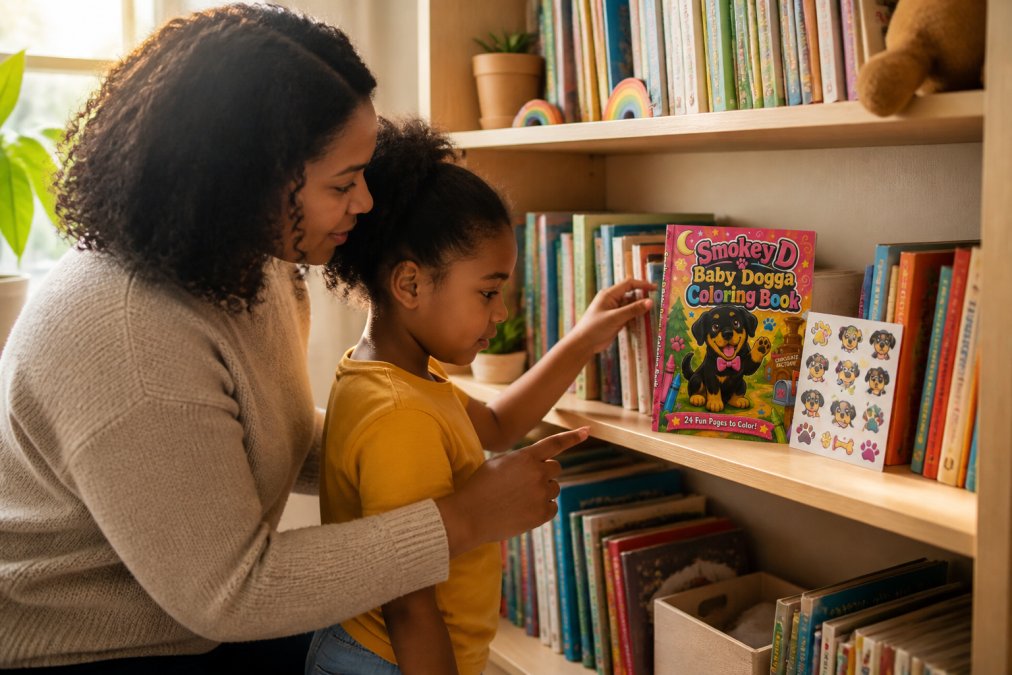
Smokey D Baby Dogga offers several products that complement a character-focused home library without major expense. The Smokey D Baby Dogga & Friends Bookmark at $11.99 keeps children's place while reinforcing the brand's friendship-centered values. The Smokey D Baby Dogga Sticker Sheet at $10.99 allows children to personalize journals and notebooks with characters they've grown to recognize.

The Smokey D Baby Dogga & Friends Hardcover Journal at $14.90 bridges reading and creative expression, allowing children to record their own stories and reflections inspired by the books they're reading.

Smokey D Baby Dogga: A Fresh Take on Friendship and Kindness Stories
Smokey D Baby Dogga stands out among children's book publishers because it centers the exact values parents seek: friendship, kindness, courage, and imagination. The brand's character-driven approach means each story explores what friendship actually looks like when tested, not a generic celebration of having friends, but narratives about what happens when friends disagree, when helping costs something, when courage means standing by someone.
The Smokey D Baby Dogga universe includes Rocky the Ghost Dog, Bella the Bat, and other characters designed to feel like actual personalities rather than virtue mascots. Children develop genuine attachment to these characters across the ten distinct adventure-themed books, which means lessons about kindness and integrity feel like they're coming from characters they care about.
The brand's approach respects children's cognitive development. Stories don't pause to explain why kindness matters; instead, kindness becomes the mechanism that solves problems, builds relationships, and creates the adventures children want to follow.
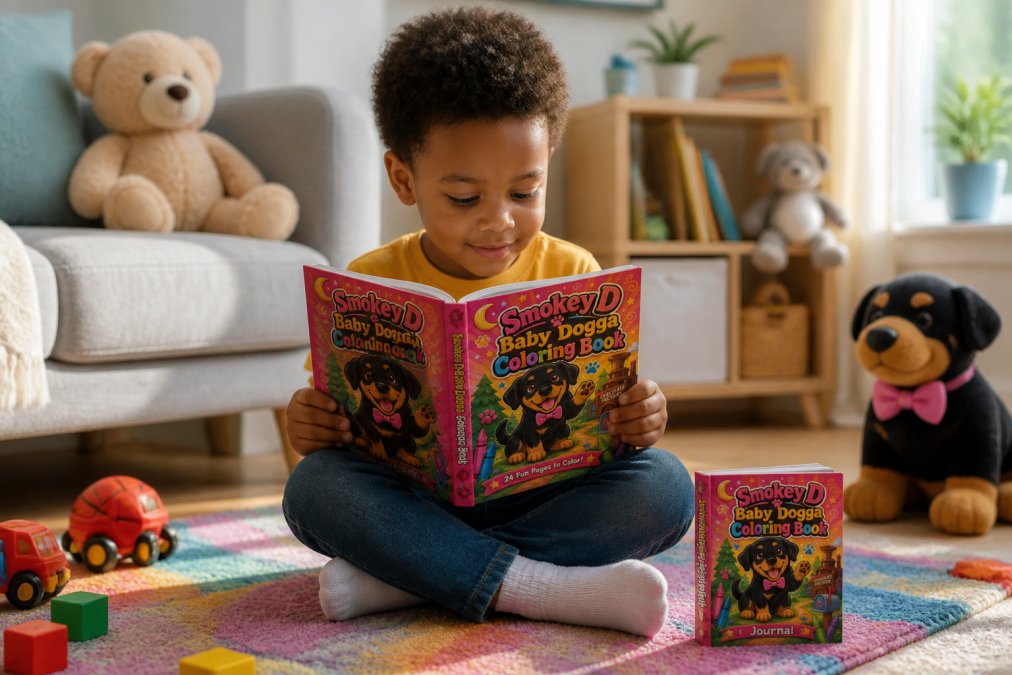
What distinguishes Smokey D Baby Dogga from mass-market alternatives is the multimedia approach. The brand offers video trailers for book previews, allowing parents and children to experience the storytelling and illustration quality before purchasing.
The merchandise ecosystem also serves a purpose beyond commercial appeal. The Smokey D Baby Dogga Coloring Book at $12.95 extends the narrative experience into creative activity, with 24 pages featuring the characters in adventures from the books. The Smokey D Baby Dogga and Friends Kids Jigsaw Puzzle at $27.99 offers multiple piece counts (110, 252, 520, or 1014 pieces), allowing families to choose complexity that matches their child's current skill level.

Living Books vs. Traditional Textbooks: Which Approach Builds Character
The distinction between living books and traditional textbooks matters significantly when your goal is character development. Living books are narratives written with literary quality and emotional depth; they prioritize story over lesson. Traditional textbooks are designed for information delivery and standardized assessment.
Living books engage children's imagination. A character faces a genuine moral dilemma, and the reader experiences uncertainty alongside them. This uncertainty drives engagement and makes the resolution feel earned rather than predetermined. Children reading living books develop stronger empathy because they've genuinely considered a character's perspective and choices.
Traditional textbooks approach character education differently. They present scenarios, explain virtues, and often include discussion questions designed to reinforce predetermined conclusions. This approach is efficient and measurable but doesn't generate the emotional resonance that living books create.
Research on literacy development and moral reasoning suggests that living books produce stronger retention and more genuine internalization of values. Children remember characters and their choices. They reference those stories when facing their own decisions. They develop what educators call "narrative empathy", the ability to imagine themselves in another person's situation and understand their perspective.
Many families find that the most effective approach combines both: living books as the primary character-building tool, supplemented by thoughtful discussion. The Smokey D Baby Dogga approach aligns with living books philosophy, stories told with attention to character development and emotional authenticity, designed to be read and reread because children connect with the characters and their journeys.
Conclusion
The shift toward character building books alternatives reflects what parents increasingly understand: that moral development happens through narrative and relationship, not through curriculum alone. Independent children's book publishers, half and half books that blend adventure with virtue ethics, and character-focused brands like Smokey D Baby Dogga offer approaches that honor children's intelligence while genuinely cultivating the values families care about.
Finding the right character building books for your family means looking beyond what's most visible on bookstore shelves. Start with your child's current interests and developmental stage, explore independent publishers focused on moral development, and don't underestimate the power of video trailers and direct author communication to guide your choices. Smokey D Baby Dogga's combination of emotionally intelligent storytelling, quality illustration, and character-driven narratives makes it an excellent entry point for families seeking alternatives to mass-market options. Explore the full collection of Smokey D Baby Dogga books and complementary products like the coloring book ($12.95) and hardcover journal ($14.90), then subscribe on YouTube to preview upcoming adventures and join a community of parents building thoughtful home libraries.
Frequently Asked Questions
What makes character building books different from regular children's stories?
Character building books intentionally teach moral values, integrity, compassion, and courage through storytelling. While regular stories entertain, character-focused books weave lessons about responsibility, kindness, and tolerance into the narrative. They encourage children to think about their own choices and behaviors. The best character building books do this naturally, through relatable characters and meaningful conflicts, rather than through preachy lessons. Living books that show characters facing real dilemmas tend to be more effective than textbooks that simply list virtues.
Are independent children's book publishers as reliable as Scholastic?
Many independent children's book publishers produce high-quality, thoughtfully written stories that rival traditional publishers. Independent publishers often have more creative freedom to explore diverse narratives and unique character perspectives. The key is researching the publisher's track record, reading parent reviews, and checking whether the books align with your family's values. Publishers like Smokey D Baby Dogga focus specifically on kindness, friendship, and imagination, offering an alternative that many parents find refreshing and genuinely engaging for their children aged 3-8.
How do I know if a character education book will actually engage my child?
Look for books that feature characters your child can relate to and conflicts they understand. Age-appropriate vocabulary and illustrations matter, books with large, colorful artwork tend to hold younger children's attention better. Read reviews from other parents with children the same age. Preview the story yourself or watch video trailers if available. Stories that balance adventure with gentle moral lessons (rather than heavy-handed instruction) tend to keep children interested. The best test is seeing if your child asks to read it again or talks about the characters afterward.
What is a half and half book, and why do parents prefer them?
A half and half book typically combines two complementary stories or themes in one volume, for example, pairing an adventure narrative with a character-development lesson, or mixing illustrations with interactive activities. Parents prefer these because they offer variety and value in a single purchase. They work well for families with children of different ages or attention spans, and they encourage multiple types of engagement: reading, thinking, and creating. Smokey D Baby Dogga offers products like the coloring book and hardcover journal that work similarly, extending the story experience beyond traditional reading.
This article was written using GrandRanker