
How to Motivate Reluctant Young Readers: 7 Proven Strategies
Table of Contents
- Why Young Readers Resist Reading
- Let Them Choose: The Power of Choice in Reading Materials
- Books for Reluctant Readers: Finding Stories That Stick
- How to Make Reading Fun for Kids: Beyond Traditional Books
- Reading Strategies for Struggling Students: Building Confidence
- Create a Positive Reading Environment at Home
- Lead by Example as a Reading Role Model
- Screen Time and Digital Fatigue: Balancing Modern Distractions
Last Updated: August 23, 2026
Why Young Readers Resist Reading
Reluctance to read often stems from decoding struggles, anxiety about reading aloud, or simply not finding a story that resonates. Some kids associate reading with pressure or comparison to peers, while others experience digital fatigue that makes printed pages feel boring. The key insight: resistance isn't laziness, it's a signal that something in the reading experience isn't working. Understanding the root cause, whether comprehension struggles, anxiety, limited interest, or lack of pleasure-reading experience, allows you to address it directly rather than pushing harder on an ineffective approach.
Let Them Choose: The Power of Choice in Reading Materials
When kids have zero say in what they read, reading becomes something done to them rather than something they do. The moment you hand a child a book they chose, the dynamic shifts. They have agency and investment in finding out what happens.
Choice-based reading taps into intrinsic motivation. A child reading their own selection wants to know what comes next and will push through harder passages because they care. Compare that to assigned reading, where motivation often depends on external rewards or avoiding punishment.
Let your reluctant reader browse the library or bookstore without direction. Ask what kinds of stories interest them, adventure, animals, humor, mystery, magic. Don't dismiss their preferences as "too easy" or "not literary enough." A graphic novel that gets a kid reading is infinitely more valuable than a "better" book they'll avoid. Respecting format preferences builds reading self-efficacy and confidence.
Books for Reluctant Readers: Finding Stories That Stick
The best books for struggling students combine accessible language with genuinely interesting plots. They don't talk down to kids, but they also don't overwhelm them with dense text or complex vocabulary.
Look for books with strong hooks in the first few pages. Reluctant readers need a reason to keep going early on. Stories that start with action, mystery, or humor tend to work better than slow character-building openings.
Series books are gold for reluctant readers. Once a child finds a character they like, they'll often keep reading through multiple books. The familiarity reduces anxiety about the unknown, and momentum from finishing one book carries them into the next.
Consider reading level carefully. A book that's too hard creates frustration; one that's too easy feels boring. The sweet spot is slightly below their independent reading level, challenging enough to build skills, easy enough to feel achievable. Books with illustrations, even for older kids, reduce the wall-of-text effect that makes some reluctant readers shut down immediately.
How to Make Reading Fun for Kids: Beyond Traditional Books
Reading doesn't have to mean sitting alone with a novel. Some of the most reluctant readers engage with stories in formats that feel more like play than schoolwork.
Graphic Novels and Visual Storytelling
Graphic novels are legitimate reading (peer-reviewed research). They develop comprehension, vocabulary, and visual literacy. For reluctant readers, illustrations provide scaffolding that makes text more accessible. A child can follow the story through images even if they miss some words, reducing anxiety and keeping them moving forward.
The format feels less intimidating than dense paragraphs. Many reluctant readers who won't touch a traditional novel will devour a graphic novel series. Quality graphic novels for young readers range from silly humor to genuine adventure and emotion. They're not a stepping stone to "real" reading, they're real reading.
Read-Aloud Sessions and Shared Reading Time
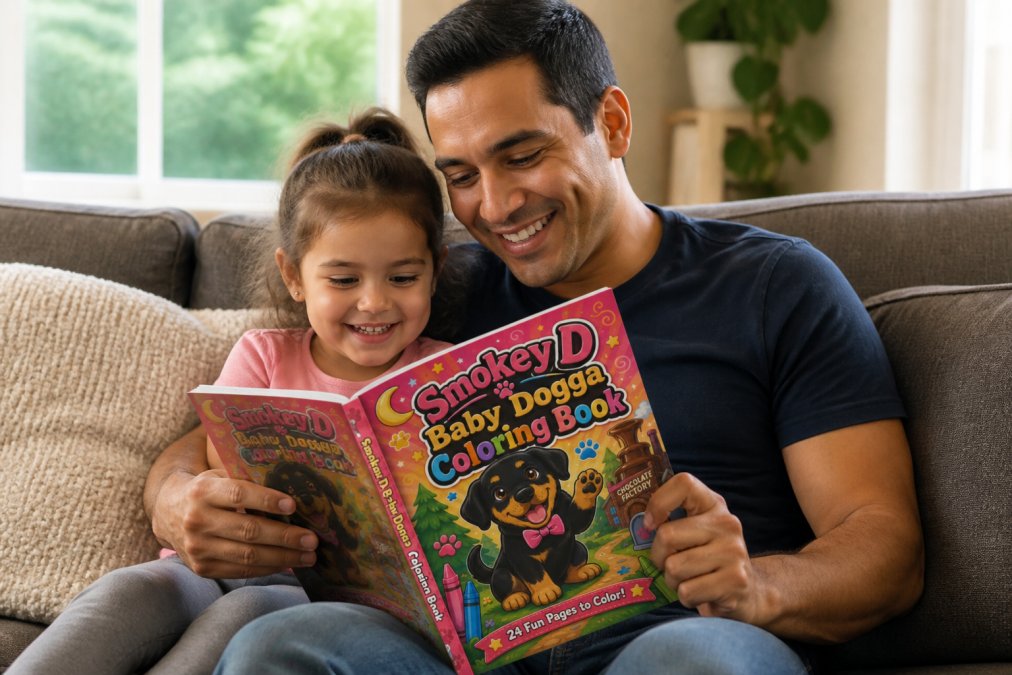
Read-aloud sessions transform reading from a solitary struggle into a shared experience. When you read to a child, you model fluent reading, demonstrate expression, and build comprehension together. You can pause to discuss what's happening, predict what comes next, or laugh at funny moments.
Read-alouds work at any age. Even kids reading independently benefit from hearing stories aloud. Choose books slightly above your child's independent reading level for read-alouds. You handle the decoding burden, so they can focus on enjoying the story and building vocabulary.
Make read-aloud time consistent and predictable. Even 15 minutes daily makes a difference (peer-reviewed research). The consistency matters more than duration.
Reading Strategies for Struggling Students: Building Confidence
Struggling students often lack reading self-efficacy. Your job is to prove that belief wrong through repeated, supported success.
Break reading into smaller chunks. Instead of "read this chapter," try "read to the next page break" or "read until we find out what the character does next." Smaller goals feel achievable and build momentum.
Repeated reading of the same text builds fluency and confidence. Each re-read is easier, faster, and more enjoyable. The child experiences tangible improvement, which directly builds self-efficacy.
Use audiobooks strategically. Listening to an audiobook while following along in the physical book combines auditory and visual input. This works especially well for kids with decoding struggles. They're not avoiding reading; they're using a support tool while still engaging with text.
Ask questions that guide comprehension without making reading feel like a test. Instead of "What happened on page 5?" try "Why do you think the character made that choice?" These questions build deeper comprehension and show that reading is about meaning, not just getting words right.
Celebrate effort over perfection. A child who reads slowly but with genuine engagement is making progress.
Visit & Subscribe on YouTube →
Create a Positive Reading Environment at Home
Environment shapes behavior more than we typically acknowledge. A calm, book-filled space where reading is normalized makes it easier than a chaotic, noisy house where reading competes with screens and distractions.
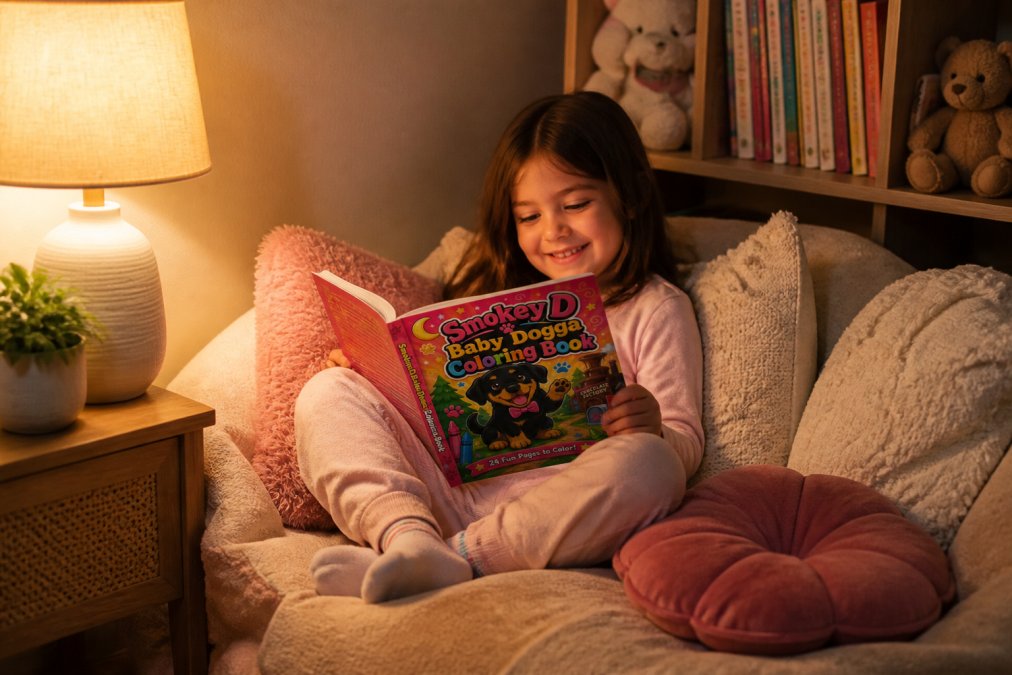
Create a dedicated reading spot with cushions, a small shelf of books, and soft lighting. This signals that reading is valued and important.
Reduce competing distractions during reading time. Screens off, background noise down, and interruptions minimized. A child trying to focus while a TV plays has divided attention and works harder to comprehend.
Stock your home with a variety of books: picture books, chapter books, graphic novels, non-fiction, magazines, comics. A child who sees books as entertainment is more likely to pick one up during free time.
Make books visible and accessible. Books on low shelves, in baskets, or displayed face-out get picked up. The easier it is for a child to grab a book, the more likely they will.
Limit screen time before reading sessions. Digital fatigue is real (apa.org). A child who's been scrolling for an hour is less likely to engage with a book.
Lead by Example as a Reading Role Model
Children notice what adults value. If you want your child to love reading, they need to see you reading regularly, visibly, and with genuine enjoyment.
Read in front of your kids. Let them see you pick up a book for pleasure. Talk about what you're reading. Share funny passages or interesting facts. Model the behavior you want to see.
Visit the library together and let them watch you select books. Your reading doesn't have to match theirs. You might read novels while they read graphic novels. The point is demonstrating that reading is something adults do because we enjoy it.
Talk about how reading has helped you or changed your perspective. Share stories about books that mattered to you. Help your child see reading as a way to learn, escape, laugh, and connect with ideas.
Screen Time and Digital Fatigue: Balancing Modern Distractions
Today's kids face unprecedented competition for attention. Screens are designed to be engaging, and they're everywhere. A child exhausted from scrolling has limited cognitive resources left for reading.
Digital fatigue is real. Too much screen time leaves kids overstimulated and depletes their ability to focus on less immediately gratifying activities like reading. Set reasonable boundaries around screen time, especially before reading time. This isn't about demonizing screens; it's about protecting reading time and ensuring kids have mental resources to engage with books.
Offer reading as an alternative to screens, not as punishment. Make reading an appealing choice: "We're going to have quiet reading time together" or "Pick a book and let's read for 20 minutes."
Some reluctant readers engage with e-books or reading apps. These aren't inferior to physical books. If a child will read on a device, that's progress. The goal isn't eliminating screens; it's ensuring reading remains an attractive, accessible, and valued activity in a world full of digital distractions.
Motivating reluctant young readers requires patience, observation, and a willingness to meet kids where they are rather than where you think they should be. The strategies that work, choice, engaging stories, shared reading time, and a supportive environment, all share one thing in common: they respect the child's experience and build from there.
At Smokey D Baby Dogga, we understand that every child is different. Our books are designed to spark imagination and engagement through whimsical characters and adventure-driven stories that appeal to reluctant readers. The Smokey D Baby Dogga coloring book and bookmark collection complement reading time, giving kids hands-on ways to stay connected with stories they love. Visit our collection and find the tools that work for your family's reading journey.

| Strategy | Best For | Time Investment |
|---|---|---|
| Letting kids choose books | Building intrinsic motivation | Minimal, just listen to preferences |
| Read-aloud sessions | Modeling fluency and sharing experience | 15-20 minutes daily |
| Graphic novels | Visual learners and reluctant readers | Self-paced |
| Repeated reading | Building fluency and confidence | 10-15 minutes per session |
| Creating a reading space | Normalizing reading in daily life | One-time setup |
| Limiting screen time | Protecting cognitive resources | Ongoing boundaries |
Frequently Asked Questions
How can I encourage a reluctant reader without causing frustration?
Start with choice: let your child pick books that interest them, even if they seem too easy or unconventional. Avoid pressure or timed reading sessions. Use read-alouds together to model fluency and show that reading is enjoyable, not a chore. Celebrate small wins, finishing a page, trying a new book, or sitting quietly with a story. Keep reading sessions short and positive, and pair books with related activities like coloring or puzzles to reinforce engagement.
What are the best books for reluctant readers?
Reluctant readers thrive with high-interest, visually rich formats: graphic novels, picture books with compelling illustrations, series with familiar characters they love, and stories about topics they care about (animals, adventure, humor). Shorter books and those with large text also reduce overwhelm. Smokey D Baby Dogga's adventure stories combine engaging characters with imaginative plots designed to spark interest in young readers. Look for books that match your child's reading level while capturing their imagination.
How do I know if my child's reading reluctance is a sign of a learning issue?
If your child struggles with decoding skills, avoids reading despite encouragement, or shows anxiety around books by age 5 or 6, consider a vision screening and evaluation for learning disabilities. Some reluctance is developmental; persistent difficulty is worth investigating. Ask your pediatrician or school about screening. Address any underlying vision or learning issues early, they directly impact reading self-efficacy and can worsen reluctance if left unaddressed.
Can one book series work for kids of different ages?
Yes, if you choose wisely. Smokey D Baby Dogga's stories appeal across ages 3-8 because they combine simple, engaging plots with colorful illustrations that appeal to younger children while offering adventure and character depth for older readers. Read together with younger children and let older ones read independently. You can also use the same character universe but different formats, coloring books, puzzles, and stickers extend engagement for all ages without requiring separate purchases.
This article was written using GrandRanker