
Benefits of Reading to Your Children: A 2026 Guide
Table of Contents
- How Reading to Your Children Shapes Brain Development
- Language Skills and Vocabulary Growth Through Reading Aloud
- Building Emotional Bonds and Social-Emotional Skills
- How Long Should You Read to Your Child Daily
- Tips for Reading Aloud to Kids That Actually Work
- Best Books for Toddlers and Preschoolers to Spark Imagination
- How to Encourage Reading in Children When They Resist
- Conclusion
Last Updated: August 17, 2026
How Reading to Your Children Shapes Brain Development
Reading aloud builds neural pathways that support language processing, memory formation, and critical thinking. Between birth and age five, every interaction, including shared reading, strengthens connections between neurons. When a parent reads aloud, the child's brain processes language sounds, visual patterns, emotional tone, and physical closeness simultaneously, creating stronger neural pathways than passive screen exposure.
Research from the National Institute for Literacy shows that early literacy experiences directly influence brain development and academic achievement. Children read to regularly show increased activation in brain regions associated with language comprehension and semantic processing.
Reading aloud also develops phonological awareness, the ability to recognize and manipulate sounds within words. When you emphasize rhythm and rhyme, your child's brain maps the sound structure of language, creating a foundation for independent reading.
Language Skills and Vocabulary Growth Through Reading Aloud
Every word read in context gives your child a framework for understanding meaning, pronunciation, and function. Children read to regularly develop significantly larger vocabularies than peers without reading exposure, encountering words and language structures unavailable in everyday conversation.
Interactive reading amplifies these benefits. Pausing to ask questions transforms passive listening into active engagement. Dialogic reading, where the adult asks open-ended questions and follows the child's lead, has been shown to accelerate vocabulary growth by making reading a conversation rather than one-way transmission.
For multilingual families, reading aloud in your home language maintains linguistic connections while building literacy skills that transfer across languages. Children in multilingual households with consistent input in both languages develop stronger overall language skills than monolingual peers.
Building Emotional Bonds and Social-Emotional Skills
Reading together creates emotional connection through physical closeness, shared attention, and predictable rhythm. This bonding strengthens the parent-child relationship while building the child's emotional regulation skills.
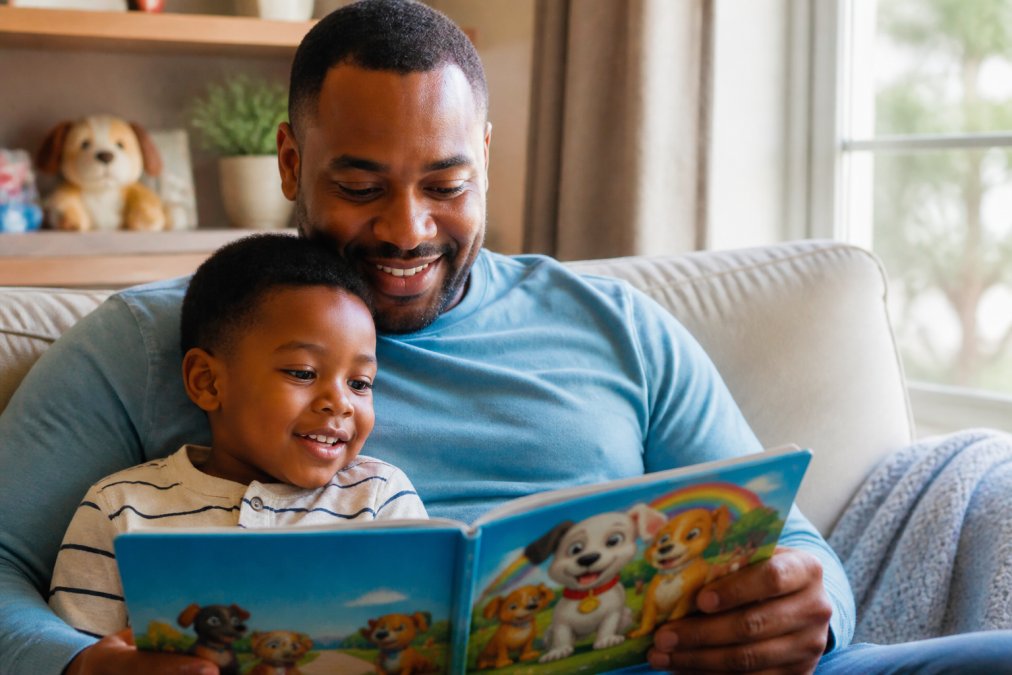
Stories provide safe contexts for exploring complex emotions. When characters experience fear or conflict, children process those emotions at a distance, learning that feelings are normal and manageable. Through stories, children develop empathy by stepping into characters' perspectives.
Reading builds emotional vocabulary, children learn names for feelings they experience but cannot articulate. A story about a character feeling "frustrated" gives your child language for their own experiences. This emotional literacy supports later social success and mental health.
Reading also teaches perspective-taking, the ability to understand that others have different thoughts and feelings. When your child follows a character's journey, they practice this cognitive skill, which supports social development and conflict resolution.
How Long Should You Read to Your Child Daily
For toddlers aged 2-3 years, 10-15 minutes of focused reading provides meaningful benefits. Preschoolers aged 3-5 typically benefit from 15-30 minutes daily, allowing time for interactive engagement and discussion. Early elementary-aged children (5-8 years) can sustain 20-45 minutes, often reading chapter books over several days.
Consistency matters more than duration. Fifteen minutes of engaged, interactive reading daily provides more benefit than occasional longer sessions. Integrate reading into existing routines, bedtime, after school, or a dedicated story time, to build sustainable habits.
Tips for Reading Aloud to Kids That Actually Work
Choose books that genuinely interest you; children sense your enthusiasm. Use varied voices and expression to bring characters to life. Pause strategically before turning pages to let your child anticipate what comes next, transforming passive listening into active engagement.
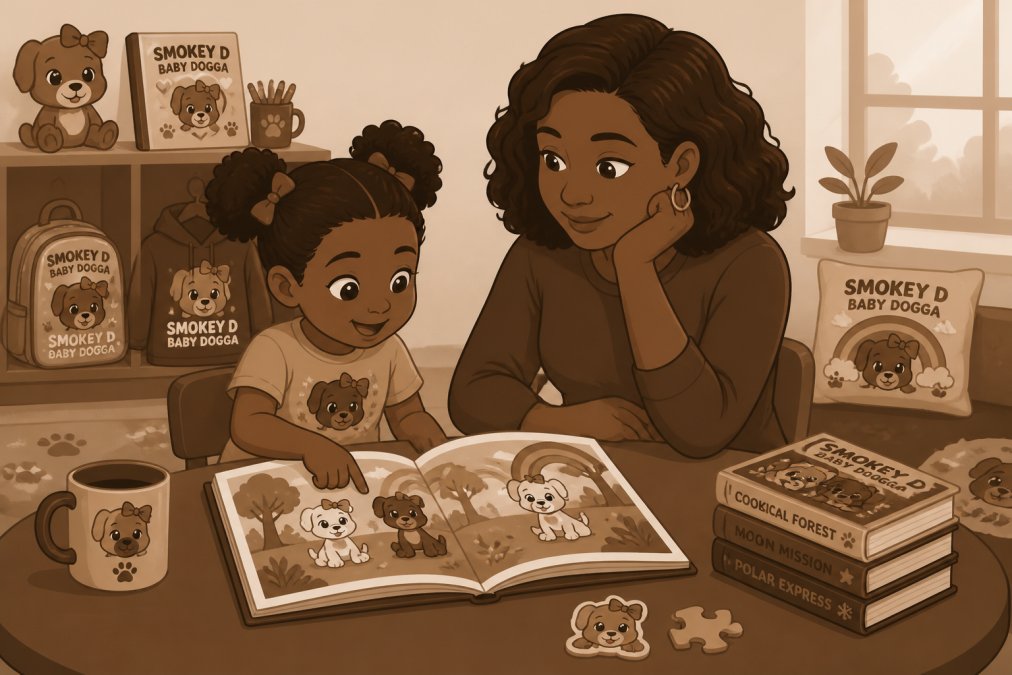
Point to illustrations and encourage your child to point, deepening attention and providing vocabulary discussion opportunities. Honor interruptions and tangents, these moments reveal what your child is thinking and learning.
Read the same books repeatedly. Children benefit from multiple exposures, which strengthen memory and provide the pleasure of anticipation. Match book selection to your child's developmental stage, slightly challenging stories stretch understanding without overwhelming.
Visit & Subscribe on YouTube →
Best Books for Toddlers and Preschoolers to Spark Imagination
For toddlers aged 2-3, board books with simple illustrations, repetitive text, and interactive elements maintain attention. Picture books with strong visual narratives allow toddlers to follow stories even with limited vocabulary.
For preschoolers aged 3-5, slightly more complex narratives work well. Stories with clear character development, simple conflicts, and satisfying resolutions support emerging comprehension. Books exploring emotions, friendship, and problem-solving align with preschoolers' social-emotional development.
Smokey D Baby Dogga storybooks are specifically designed for this age range, featuring colorful illustrations and character-driven narratives that encourage imagination and friendship. These books combine engaging visuals with accessible language that supports language development and emotional learning.
Pairing reading with related activities extends learning. After reading a story about animals, visit a zoo or create animal crafts to deepen comprehension and make reading feel relevant to your child's life.

How to Encourage Reading in Children When They Resist
Resistance often stems from books not matching your child's interests. A child fascinated by dinosaurs engages enthusiastically with dinosaur books. Understanding your child's genuine interests and selecting books accordingly increases engagement significantly.
Physical comfort matters. Create a cozy reading space with comfortable seating, good lighting, and minimal distractions. Some children focus better while moving slightly, a rocking chair can help.
Respect your child's pace. Forcing a resistant child through long books creates negative associations. Instead, read shorter books or excerpts and allow your child to choose which books to read.
Some children respond better to different formats, audiobooks, digital books with animations, or books with videos. The benefits of reading extend across formats; the key is building positive associations with stories.
Avoid power struggles. Model reading yourself and let your child see you reading for pleasure. Children naturally want to participate in activities valued adults enjoy.
Conclusion
The benefits of reading to your children extend across language, cognition, emotional health, and social skills. Reading together builds the foundation for academic success while creating irreplaceable moments of connection. Whether you're reading classic picture books or exploring stories from Smokey D Baby Dogga, consistent shared reading shapes your child's literacy skills, learning approach, and relationships.
Start where you are with whatever books you have available. Even 10 minutes of daily reading makes a measurable difference. As you build this habit, reading time becomes something both you and your child treasure, a space where imagination flourishes, language grows, and bonds deepen. Visit Smokey D Baby Dogga to explore storybooks and character merchandise that bring these benefits to life through engaging, character-driven adventures designed specifically for young readers.
Frequently Asked Questions
What are the main benefits of reading to your children?
Reading to children strengthens vocabulary acquisition, builds phonological awareness, and creates secure parent-child bonds. It also improves attention span, develops critical thinking skills, and prepares children for academic success. Research shows children who are read to regularly enter school with larger vocabularies and stronger literacy readiness. Beyond academics, storytelling fosters empathy, emotional regulation, and a lifelong love of learning.
How long should you read to your child daily for maximum benefit?
Aim for 15 to 30 minutes of daily reading with children ages 3-8, though any consistent reading time is beneficial. Some families read multiple shorter sessions throughout the day, while others dedicate one focused storytime block. The key is regularity, daily reading routines build stronger literacy skills and brain architecture than occasional longer sessions. Start with what works for your family schedule and gradually extend as your child's attention span grows.
At what age should you start reading to children?
Start reading aloud from birth. Even newborns benefit from hearing your voice and experiencing the rhythm of language. Board books and picture books work well for infants and toddlers. As children grow into preschool and early elementary years, you can introduce longer stories and more complex narratives. Early intervention through reading creates stronger neural pathways for language development and sets the foundation for school readiness.
How does reading aloud impact a child's emotional development?
Reading aloud builds emotional regulation and empathy by exposing children to different characters, situations, and feelings. Stories help children understand perspectives beyond their own, develop problem-solving skills, and process emotions in a safe environment. The parent-child bonding that happens during shared reading time strengthens attachment and security. Characters in well-written stories model kindness, courage, and resilience, which children internalize and apply to their own lives.
This article was written using GrandRanker