
Disney Books vs Indie Children Stories: Which Is Right?
Table of Contents
- Disney Books vs Indie Children Stories: Key Differences
- Character Development and Literary Merit
- Benefits of Independent Children's Books
- How to Find High-Quality Indie Children's Stories
- Cost-Benefit Analysis: Pricing and Value for Parents
- Reading Stamina and Early Literacy Development
- Which Should You Choose for Your Child?
- Frequently Asked Questions
Last Updated: September 1, 2026
Disney Books vs Indie Children Stories: Key Differences
When choosing children's books, you're selecting between two distinct approaches: polished, character-driven universes from major publishers like Disney, and independent stories from smaller presses and self-published authors. Disney brings established characters, massive marketing budgets, and professional production standards. Indie authors bring fresh voices, niche storytelling, and direct audience connections. Neither is inherently "better," but understanding how they differ helps you make the right choice for your family.
At Smokey D Baby Dogga, we understand that parents want stories engaging young readers while reflecting values like kindness, imagination, and discovery. The real question isn't which category wins overall, it's which approach fits your child's age, reading level, interests, and your family's values.
Narrative Structure and Storytelling Quality
Disney books follow a proven formula: clear three-act structure, recognizable character archetypes, and resolutions reinforcing familiar themes. This consistency is intentional, designed to work across multiple media. The pacing is tight, dialogue snappy, and emotional beats hit on schedule.
Independent children's stories vary widely in structure. Some follow traditional frameworks; others experiment with non-linear storytelling or unconventional endings. This unpredictability can be a strength, a child might encounter a genuinely surprising plot twist. But without major publishing house oversight, some indie stories suffer from pacing problems or rushed endings.
Disney's professional storytelling advantage comes with a trade-off: formulaic predictability. Indie stories offer narrative variety, but inconsistency in execution. The burden falls on you to evaluate quality before purchasing.
Character Archetypes and Representation
Disney excels at creating iconic characters that transcend their original stories. The company has made visible efforts to expand representation across race, gender, ability, and family structure. Moana, Encanto, and Coco showcase diverse cultural perspectives and family dynamics.
However, Disney's character archetypes still lean heavily on established tropes: the princess, the hero, the comic relief sidekick, the wise mentor. Even with diverse casting, underlying character roles often follow familiar patterns.
Independent children's stories frequently feature unconventional archetypes. An indie author might create a protagonist who doesn't fit the hero mold, or a character with a disability central to the plot but not their entire identity. Indie stories often explore gender representation differently, questioning traditional roles explicitly.
The trade-off: Disney characters are more likely to become beloved fixtures in your child's imagination and play through marketing and merchandise. Indie characters, while sometimes more innovative, rarely achieve that cultural saturation.
Character Development and Literary Merit
Literary merit in children's books means whether a story deepens emotional understanding, expands vocabulary, models healthy relationships, and leaves children wanting to read more. Both Disney and indie stories can score high, but they approach character development differently.
Disney books invest in character consistency. A character's personality, motivations, and arc are established clearly so young readers can follow them across multiple stories. This consistency builds emotional investment.
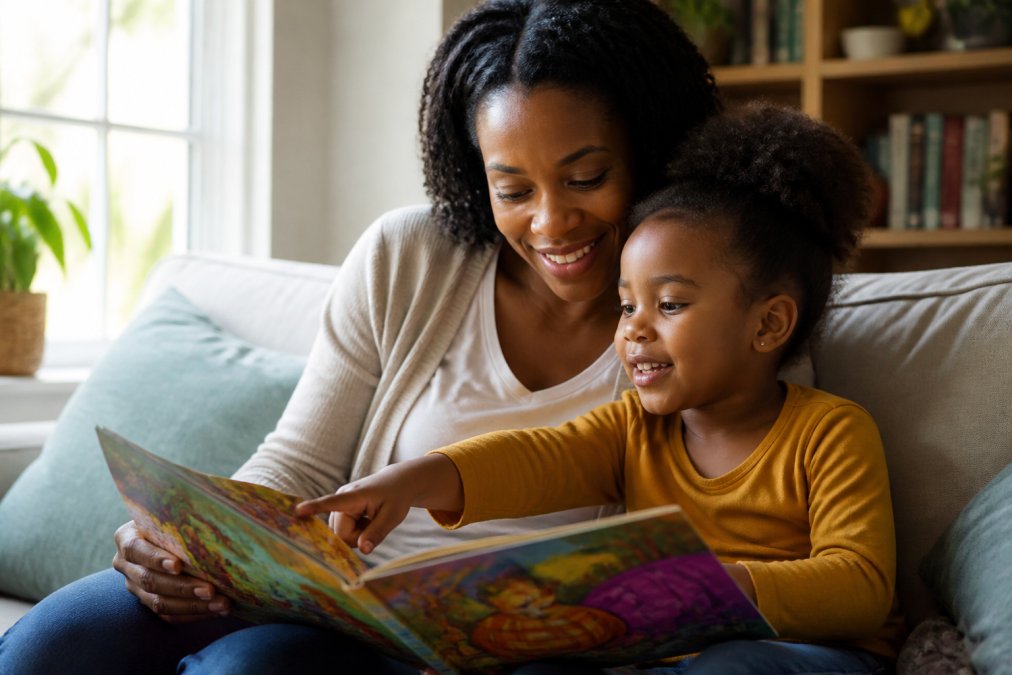
Indie children's stories often pursue deeper character development within a single book. An indie author might use a 32-page picture book to explore a character's internal conflict in psychologically authentic ways. The character might not resolve their problem neatly, learning instead to live with uncertainty.
Disney books tend toward explicitness, characters state their feelings, narrators explain what's happening. This clarity helps early readers but can feel patronizing to older children. Many indie stories trust young readers to infer meaning from subtext and visual storytelling, offering richer literary experiences for children ready for that complexity.
Benefits of Independent Children's Books
Independent children's books fill gaps that mainstream publishing misses. An indie author can write about specific experiences, moving to a new country, adjusting to a new sibling, managing anxiety, without needing to prove commercial viability. This means indie stories often address niche topics with genuine specificity.
Indie books allow creative experimentation in format and illustration style. An independent author might pair minimal text with bold, unconventional artwork or use mixed media and experimental page layouts. Freedom from commercial constraints means indie stories can take risks major publishers might avoid.
Direct author connection is significant. Many indie authors engage with readers through social media and community events. A child who loves an indie story can actually reach the author, creating participation in a creative community rather than passive consumption.
Pricing is often more favorable. An indie author selling directly typically prices lower than traditional publishers. You might find indie picture books for less than Disney equivalents.
Finally, indie purchases support independent creators directly. A higher percentage of your purchase goes to the author rather than corporate shareholders.
How to Find High-Quality Indie Children's Stories
Start with reader reviews on Amazon, Goodreads, or specialized indie book sites. Look for patterns in feedback, consistent four-to-five-star ratings with detailed comments from verified purchasers suggest genuine quality. Pay attention to reviews from parents of children in your target age group.
Check the author's credentials and background. Does the author have experience in education, child development, or writing? Many successful indie children's authors have professional backgrounds in teaching, illustration, or publishing.
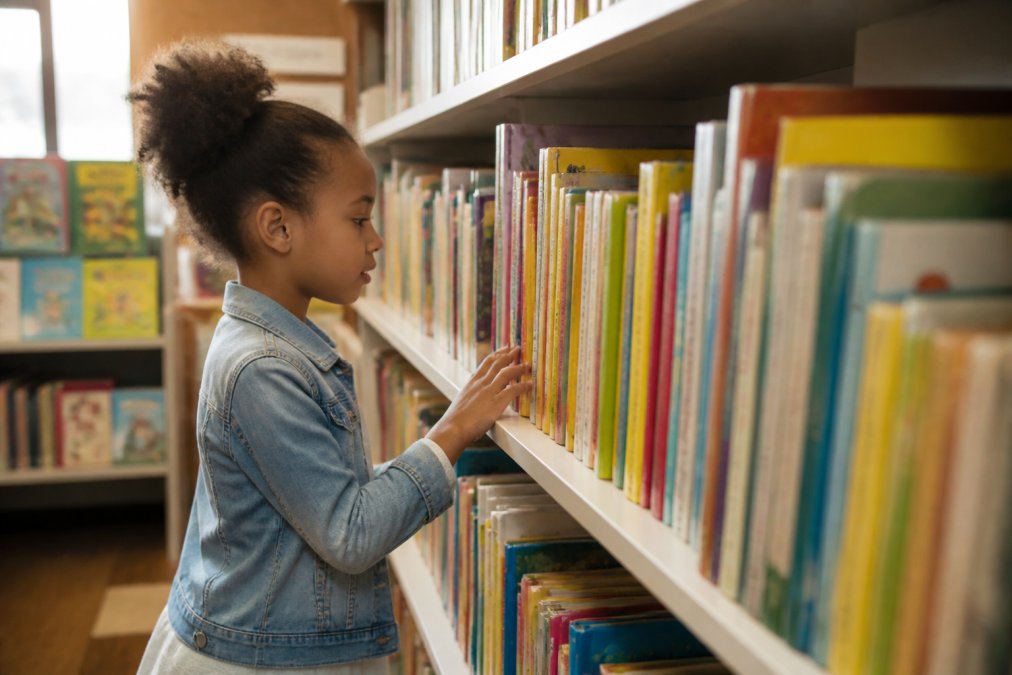
Examine the book's preview pages on Amazon. A well-produced indie book shows care in illustration quality, text layout, and how words and images work together.
Join parent communities focused on children's literature. Facebook groups, Reddit communities, and parenting forums feature discussions about indie children's books. These recommendations come without marketing budgets behind them, making them credible.
Visit indie bookstores and children's libraries. Many independent bookstores curate indie children's books carefully. Librarians often champion local indie authors, providing quality filtering.
Visit & Subscribe on YouTube →
Consider the book's purpose. Is it meant to teach something specific or provide pure storytelling? Indie books often excel when they have a clear, focused purpose.
Cost-Benefit Analysis: Pricing and Value for Parents
Disney books typically cost $17-20 for picture books and $15-18 for chapter books. These prices reflect investment in brand marketing, professional illustration, and distribution networks.
Indie children's books typically cost less (bowker.com). The lower price reflects lower production costs and absence of marketing budgets.
But pricing isn't the only consideration. Think about longevity. A Disney book your child loves at age 4 might still be read at age 7. The character familiarity means extended use. An indie book might be read intensely for weeks then set aside. Cost-per-read might favor the Disney book despite higher initial price.
Merchandise and media expansion matter too. A Disney book is often the entry point to a broader universe. Your child reads the book, then wants the movie, action figure, costume. An indie book typically stands alone.
For families on tight budgets, indie children's books offer better value through lower unit costs. For families viewing books as part of a larger media ecosystem, Disney books offer consistency and cultural familiarity.
Reading Stamina and Early Literacy Development
Both Disney and indie children's books support literacy growth differently.
Disney books are engineered for engagement (peer-reviewed research). Visually distinctive characters and predictable patterns help early readers anticipate what comes next. This predictability is valuable for literacy development, children focus on decoding words rather than tracking complex plots. Vocabulary is typically accessible but not condescending.
Disney's consistency supports reading stamina. A child who loves a Disney character will read multiple books featuring that character, building fluency and confidence through similar vocabulary and narrative structure (ila.org).
Indie children's stories offer different literacy benefits. Because they vary in style, vocabulary, and narrative structure, reading them builds adaptability. A child encounters different storytelling approaches, expanding their understanding of how stories work. This variety can accelerate literacy development for advanced readers ready for complexity.
However, indie books present challenges for early readers. Without consistent visual and narrative scaffolding, some demand more cognitive effort. For children still building foundational literacy skills, this can be frustrating rather than developmental.
The ideal approach combines both. Start with Disney books or similar mainstream titles to build confidence and fluency. As your child's reading skills develop, introduce indie children's stories to expand their literary range.
Which Should You Choose for Your Child?
The answer depends on your child's age, reading level, interests, and your family's values.
Choose Disney books if:
- Your child is in the early literacy stage (ages 3-5) and benefits from consistent, predictable narratives
- Your child is a reluctant reader needing visual and character appeal to stay engaged
- You want books holding up through multiple re-reads and passing to younger siblings
- Your child loves specific characters and wants to explore their universe
- You value professional production quality and consistency
- Your family enjoys the broader media ecosystem around Disney characters
Choose indie children's stories if:
- Your child is an advanced reader ready for narrative variety and complexity
- You're seeking stories addressing specific topics mainstream publishers don't prioritize
- You want to support individual creators and smaller presses
- Your budget is limited and you need lower-cost options
- You value representation reflecting diverse family structures, cultural backgrounds, and non-traditional character archetypes
- Your child enjoys discovering new characters and authors without marketing saturation
The hybrid approach works best for most families: Build a collection including both. Use Disney books as anchors, reliable, engaging stories your child returns to repeatedly. Supplement with indie children's stories filling specific needs or exploring different storytelling styles.
Consider also books from Smokey D Baby Dogga, which combines character-driven storytelling with the fresh, imaginative approach of independent creators. Smokey D Baby Dogga's ten distinct adventure-themed books feature a unique family of characters including Rocky the Ghost Dog and Bella the Bat, encouraging friendship, kindness, and discovery. The brand also offers merchandise like the Smokey D Baby Dogga & Friends Bookmark ($11.99) to extend engagement beyond the books, or the Smokey D Baby Dogga Coloring Book ($12.95) with 24 pages designed to spark creativity while reinforcing story characters.


Disney books vs indie children's stories isn't an either-or decision. The best children's libraries include both. Disney provides comfort of familiarity and professional quality. Indie stories offer discovery, representation, and fresh voices. Your child benefits from access to both.
The choice between Disney books and indie children's stories reflects what you value as a parent: professional production and cultural familiarity, or discovery and direct support for independent creators. Visit Smokey D Baby Dogga's YouTube channel to preview the ten adventure-themed books and discover characters combining the best of both worlds, imaginative storytelling with genuine heart. Subscribe to stay updated on new releases and animated content coming soon.
Frequently Asked Questions
Q: What are the primary differences between Disney books and indie children's stories?
A: Disney books typically feature established copyrighted characters with extensive brand recognition, professional illustration teams, and stories designed for multimedia franchises. Indie children's stories often prioritize original content, author-illustrator collaboration, and unique narrative voices. Disney books tend to follow proven commercial fiction formulas, while indie stories may experiment more with thematic depth and diverse representation. Both can offer strong storytelling quality, but they serve different market purposes and reading experiences.
Q: What are the benefits of independent children's books?
A: Independent children's books often feature diverse voices and representation that reflect varied cultures, family structures, and experiences. Authors retain creative control, allowing for innovative storytelling and original characters not bound by franchise requirements. Indie publishers frequently support emerging illustrators and can respond quickly to market trends. Many indie books emphasize kindness, courage, and imagination without heavy commercial tie-ins, offering parents authentic storytelling focused on literary merit rather than merchandise sales.
Q: How do I find high-quality indie children's stories?
A: Look for indie titles with strong reader reviews on platforms like Goodreads or Amazon, where parents share honest feedback. Check indie publisher websites and children's book blogs that curate independent releases. Visit independent bookstores, which often hand-select quality indie titles. Examine the illustrator's work and author credentials. Read sample pages to assess narrative structure and age-appropriateness. Join parenting communities online where caregivers recommend indie discoveries.
Q: Are Disney books better for early literacy skills than indie titles?
A: Neither category is inherently superior for early literacy. Both Disney and indie books can support reading stamina, vocabulary acquisition, and comprehension when they match your child's reading level and interests. Disney books benefit from professional editing and market-tested pacing. Indie books often excel at character-driven storytelling that builds emotional engagement, which strengthens motivation to read. The best choice depends on your child's age, reading ability, and what themes resonate with them. A mix of both types often works best for well-rounded literacy development.
This article was written using GrandRanker