
Penguin Random House Alternatives 2026
Table of Contents
- Why Authors Seek Publishing Alternatives
- Independent Children's Book Publishers Worth Considering
- How to Self-Publish a Children's Book
- Publishing Contract Red Flags to Watch
- Children's Book Marketing Strategies 2026
- Hybrid Publishing: The Middle Ground
- Building Your Brand Beyond the Book
Last Updated: August 26, 2026
Why Authors Seek Publishing Alternatives
Parents and caregivers today have more choices than ever when it comes to children's books. The publishing landscape has shifted dramatically, and many families are discovering that Penguin Random House alternatives 2026 offer distinct advantages over traditional corporate publishing routes. The major publishing conglomerates control massive distribution networks, but they don't control creativity, authenticity, or the ability to publish stories that reflect real families and values. Independent presses, hybrid publishers, and self-publishing platforms have democratized children's book publishing. Authors no longer need gatekeepers to reach readers.
For families seeking wholesome, character-driven stories like those from Smokey D Baby Dogga, the alternatives to traditional publishing houses provide flexibility, faster publication timelines, and often better alignment with what you actually want your children reading.
Independent Children's Book Publishers Worth Considering
Independent presses have become serious players in children's literature. These are real publishing houses with editorial standards, distribution networks, and professional teams. Many focus specifically on children's books and understand the market in ways larger conglomerates cannot.
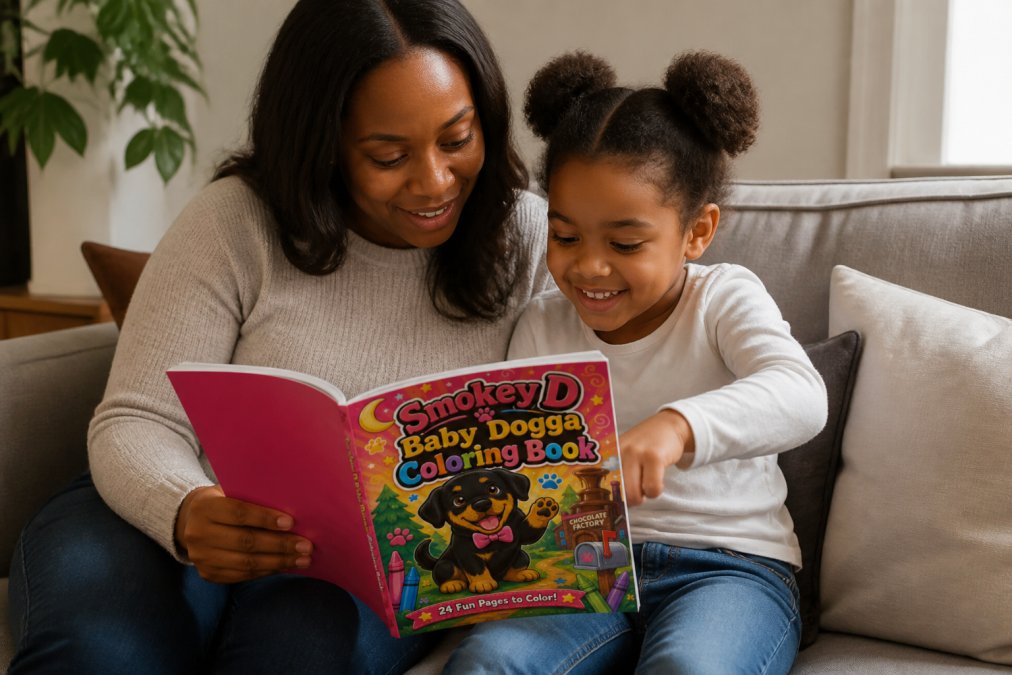
Independent children's book publishers typically offer manuscript acquisition processes similar to traditional houses, but with shorter timelines and more author input. They maintain editorial standards that rival the major conglomerates while remaining small enough to care about individual authors and flexible enough to take risks on stories that don't fit corporate templates.
These publishers understand that children's literature serves a purpose beyond profit. Stories about kindness, friendship, courage, and discovery resonate with families because they reflect real values. Independent presses publish these stories because they believe in them, not because focus groups validated them. They often have better relationships with niche audiences, reaching your exact readers more effectively than massive corporate distribution networks designed for broad appeal.
How to Self-Publish a Children's Book
Self-publishing has evolved into a legitimate path for authors who want complete control over their work. The process is now straightforward, and quality standards mean your self-published book can compete visually and narratively with traditionally published titles.
Start with manuscript completion and professional editing. Children's books are short, which means every word carries weight. A professional editor will catch pacing issues, age-appropriateness problems, and narrative gaps. Budget for this, it's the difference between a book that feels amateur and one that feels polished.
Illustration comes next, and this is where self-publishing gets expensive. Children's books live or die on their illustrations. Professional children's book illustrators understand how to create images that work across different sizes, maintain visual consistency, and support the narrative. This is typically your largest cost outside of professional editing.
Once your manuscript and illustrations are finalized, choose a production method. Print-on-demand services like Amazon KDP, IngramSpark, and Blurb handle everything from file preparation to printing to distribution. No inventory sitting in your garage. No minimum order quantities. The trade-off is per-unit costs are higher than offset printing, which means lower margins.
Distribution through self-publishing platforms reaches readers directly through Amazon and other online retailers. Getting into physical bookstores requires more legwork, building relationships with store owners, offering wholesale discounts, and handling consignment arrangements yourself. This is where independent publishers have a real advantage.
Marketing your self-published children's book falls entirely on you. This means social media presence, email lists, school visits, library readings, and often paid advertising. You're competing for attention against every other children's book ever published, plus the massive marketing budgets of corporate publishers.
| Step | Duration | Key Consideration |
|---|---|---|
| Professional editing | 4-8 weeks | Critical for quality; don't skip |
| Illustration creation | 8-16 weeks | Largest cost; hire professionals |
| File preparation | 2-3 weeks | Technical but straightforward |
| Printing setup | 1 week | Multiple revisions possible |
| Marketing launch | Ongoing | Requires consistent effort |
Publishing Contract Red Flags to Watch
Whether you're working with an independent press or a hybrid publisher, the contract determines your rights, royalties, and creative control for years to come. Understanding what to watch for protects you from unfavorable terms.
Royalty rates vary dramatically across publishers. Traditional publishers typically offer 10% royalties on print sales and 25% on ebooks. Independent publishers might offer higher percentages because they have lower overhead. Hybrid publishers, where authors pay upfront costs, should offer significantly higher royalties. If an independent publisher is offering 5% royalties, that's a red flag. They should be offering at least 15-20%.
Rights retention is critical. Some contracts grant the publisher exclusive rights indefinitely, meaning you can't republish elsewhere even if the publisher stops selling it. Better contracts include reversion clauses, if the book goes out of print or sales fall below a threshold, rights return to you. This matters enormously for your future options.
Contract length matters more than most authors realize. Some publishers lock you in for 7-10 years. Others use shorter terms like 3-5 years. Shorter is better, especially for your first book. Publishing landscapes shift, and you need the option to move your book if needed.
Subsidiary rights, audio, foreign language editions, film/TV options, should be clearly defined. Some contracts give publishers rights to everything, including opportunities you could sell separately. Better contracts reserve certain rights for you. If your children's book becomes popular, you might want to produce an audiobook version or sell translation rights.
Marketing and promotion clauses often sound good but deliver little. Get specifics about what "marketing support" actually includes. Will they pitch it to reviewers? Run paid ads? Arrange school visits? Vague promises aren't commitments.
Children's Book Marketing Strategies 2026
Publishing your book is only half the battle. Getting it into readers' hands requires strategy, especially when attention is fragmented across platforms and families are overwhelmed with choices.
Social media remains essential, but platforms matter. TikTok and Instagram dominate for reaching parents and caregivers. Short video content showing your book's illustrations, reading passages aloud, or sharing behind-the-scenes creation stories performs better than static posts. If your book has a character like Smokey D Baby Dogga with personality and charm, that character becomes your marketing asset.
Email marketing consistently outperforms social media for actual book sales. Build an email list from day one by offering something free, a downloadable coloring page, exclusive short story, or reading guide. Nurture that list with regular updates about your book and genuine value. Your email subscribers are your most responsive audience.

School and library outreach is underrated but incredibly effective. Teachers and librarians actively seek quality children's books, especially from independent authors and presses. Reach out to schools in your area. Offer to do virtual or in-person readings. Provide free or discounted copies to libraries. These relationships create word-of-mouth momentum that paid advertising can't match.
Book reviewers and parenting bloggers influence purchasing decisions. Send advance copies to reviewers who focus on children's literature. Their reviews on Amazon and Goodreads drive visibility. A positive review from a respected parenting blogger can generate weeks of steady sales.
Visit & Subscribe on YouTube →
Paid advertising on Amazon and Facebook works if you target correctly. Target parents interested in specific topics related to your book. Narrow targeting means higher conversion rates and lower cost per sale.
Ask satisfied customers to leave reviews and recommendations. After someone buys your book, follow up with a simple request for a review. Most people are happy to help if you ask directly and make the process simple.
Hybrid Publishing: The Middle Ground
Hybrid publishing sits between traditional publishing and self-publishing. The author pays upfront costs, typically $3,000-$15,000 depending on services, and the publisher handles editing, design, printing, and distribution. The author retains creative control and receives higher royalties than traditional publishing.
Hybrid publishing makes sense if you want professional support without traditional publishing's lengthy timelines and rights restrictions. You get an editor, a designer, and distribution without surrendering your book to a corporate publishing house.
The challenge is distinguishing legitimate hybrid publishers from vanity publishers. Real hybrid publishers maintain editorial standards and won't publish every manuscript they receive. They have professional teams, real distribution networks, and authors whose books appear in bookstores and libraries.
Questions to ask any hybrid publisher: Who edits the manuscript? What design process do they use? How do they handle distribution? What royalties do authors receive? Can you see examples of books they've published? Will they handle ISBN and copyright registration? Do they have relationships with bookstores and libraries?
Legitimate hybrid publishers can accelerate your timeline significantly. A traditional publisher might take 18-24 months from acceptance to publication (publishers.org). A hybrid publisher typically delivers a finished, distributed book in 6-12 months.
The royalty difference is substantial. Traditional publishers offer 10-25% royalties. Hybrid publishers typically offer 50% or higher because you've already paid for production. If a hybrid publisher offers less than 40% royalties, negotiate or look elsewhere.
Building Your Brand Beyond the Book
Publishing one book is a start. Building a brand means creating a universe that extends across multiple touchpoints. This is where many independent authors miss opportunities.
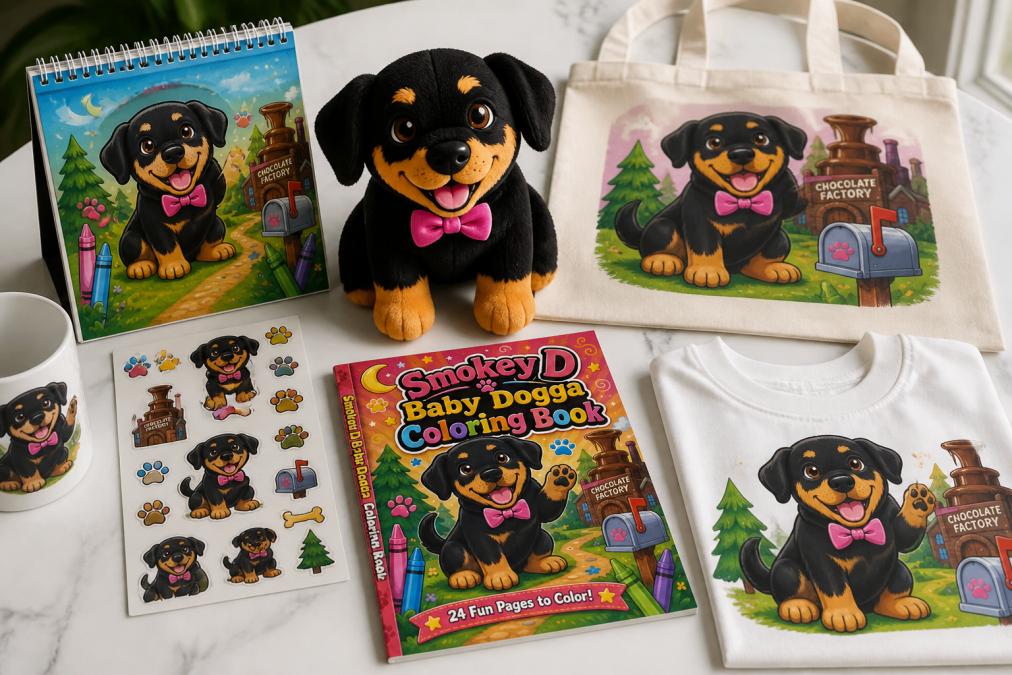
Merchandise transforms casual readers into engaged brand advocates. When a child loves your book's characters, they want to see those characters on items they use daily, backpacks, lunch bags, stickers, coloring books, calendars. Every time a child carries a Smokey D Baby Dogga lunch bag or wears a shirt with the characters, that's marketing. Family members see it. Teachers see it. Other families see it.
The Smokey D Baby Dogga product line demonstrates this strategy perfectly. The brand offers a coloring book with 24 adventure-themed pages, a 2027 wall calendar featuring colorful illustrations, sticker sheets, puzzles, plush toys, bookmarks, pencil cases, and lunch bags. Each product keeps the brand visible and creates new revenue streams beyond book sales.

Digital content extends your reach without requiring printing or shipping. Video trailers, character animation clips, or read-aloud videos on YouTube and TikTok introduce your story to families who might never see the physical book. Educational content, lesson guides, discussion prompts, activity sheets, adds value for teachers and homeschooling families.
Building an audience around your characters creates lasting revenue. A single book might sell well for a season. A beloved character that families return to repeatedly builds lasting success. Your first book is the introduction. The brand is the relationship.
Partnerships with educational platforms, subscription boxes, and retail partners multiply distribution channels. Your book might appear in a literacy subscription box. Your merchandise might be sold through a family-focused retailer. Your educational materials might be licensed to online learning platforms.
The timeline for building a sustainable brand is 2-3 years minimum (publishers.org). Your first book launches, then you assess what resonates. Based on that feedback, you expand into merchandise, additional books, or digital content.
Choosing a Penguin Random House alternatives 2026 path depends on your priorities. If you want maximum creative control and faster timelines, self-publishing or independent presses deliver. If you want professional support without surrendering rights, hybrid publishing bridges the gap. If you want to build a lasting brand that extends beyond books, all these paths work with the right strategy.
The families seeking Smokey D Baby Dogga books aren't looking for corporate publishing decisions. They're looking for stories that reflect their values, characters their children love, and experiences that matter. That's what independent alternatives to traditional publishing deliver: authenticity, flexibility, and genuine connection with readers. Start with your story. Choose the path that lets you tell it your way. Then build the brand that keeps families coming back.
Frequently Asked Questions
What are the main advantages of exploring publishing alternatives to the Big Five?
Independent publishers and hybrid options offer faster publication timelines, greater creative control over cover design and marketing, and more personalized author support. For children's book authors, alternatives allow you to build character-driven brands like Smokey D Baby Dogga with merchandise and multimedia expansion without waiting years for acquisition decisions or fighting for limited marketing resources.
How do independent children's book publishers differ from traditional publishing houses?
Independent children's book publishers typically handle smaller print runs, invest more directly in individual author relationships, and move faster from manuscript to bookshelf. They often accept diverse storytelling and niche characters that major conglomerates might overlook. However, they usually have smaller distribution networks and marketing budgets. Many independent presses specialize in specific genres or values, like kindness-focused stories, making them ideal partners for brands with clear editorial vision.
Is self-publishing a viable option for children's books?
Yes. Self-publishing children's books is increasingly viable, especially if you're willing to invest in professional illustration, editing, and marketing. Self-published authors retain complete creative control. The challenge is distribution and visibility, major retailers like Amazon make books available, but shelf space in physical bookstores remains difficult without a publisher's relationship. Self-publishing works best when paired with a marketing strategy (social media, school visits, merchandise) to build reader loyalty directly.
What should I watch for in a publishing contract before signing?
Red flags include vague royalty structures, rights clauses that lock up subsidiary rights (audio, translation, film) indefinitely, termination clauses requiring you to buy back unsold inventory, and marketing guarantees that don't exist in writing. Ensure the contract specifies reversion of rights if the book goes out of print, defines the publisher's obligations clearly, and allows you to retain control over character merchandising and brand extensions. Always have a publishing attorney review before signing.
How can I market children's books effectively in 2026?
Today's children's book marketing combines traditional and digital channels: YouTube trailers (like Smokey D Baby Dogga uses), TikTok storytelling clips, Instagram Reels featuring character illustrations, school and library partnerships, and merchandise tie-ins. Parent communities on Facebook and parenting blogs remain influential. Video content performs exceptionally well, short clips of page turns or character introductions drive engagement. Building an email list of parents interested in kindness-focused stories and adventure narratives creates a direct audience for new releases and merchandise launches.
This article was written using GrandRanker