
How to Encourage Kindness in Preschoolers
Table of Contents
- Why Teaching Kindness Matters in Early Childhood
- Model Kindness as a Parent
- Books That Teach Kindness to Kids
- Kindness Activities for Preschoolers
- How to Teach Empathy to a 4 Year Old
- Handling Unkind Behavior and Building Resilience
- Encouraging Kindness in Digital and Social Spaces
- Conclusion
Last Updated: August 30, 2026
Why Teaching Kindness Matters in Early Childhood
Teaching kindness in preschoolers is one of the most important investments you can make in their development. During these years, children form foundational beliefs about relationships, empathy, and how they interact with the world. The habits they build now, sharing, listening, showing concern for others, become building blocks for lifelong social-emotional learning.
Research shows that children who develop kindness early tend to build stronger friendships, handle conflicts more effectively, and develop greater emotional regulation (peer-reviewed research). These qualities are linked to better academic outcomes, improved mental health, and stronger relationships throughout life.
At Smokey D Baby Dogga, we believe stories are one of the most powerful tools for teaching kindness. Through the adventures of Smokey and her friends, children see kindness modeled in action, characters showing gratitude, helping others, and celebrating friendship. When children see characters they love demonstrating kindness, they're more likely to imitate those behaviors.
Kindness doesn't develop automatically. It requires intentional modeling, practice, and reinforcement from the adults in their lives. This guide walks you through practical, proven strategies for teaching kindness in preschoolers, from the books you read together to the activities you do and the example you set every day.
Model Kindness as a Parent
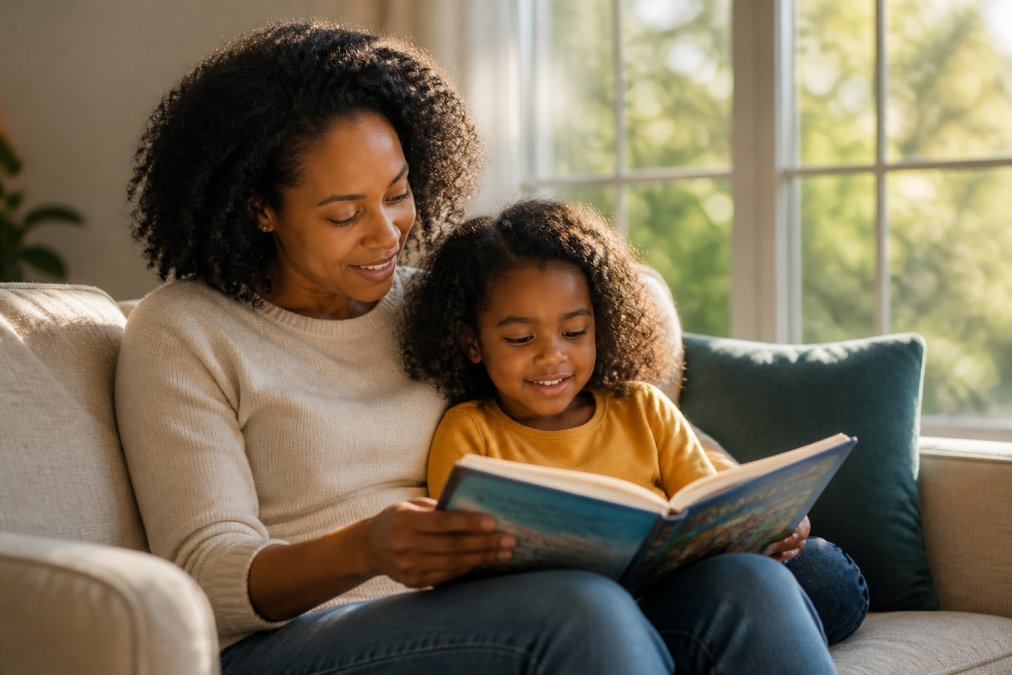
Children learn kindness primarily through observation. They watch how you treat family, friends, strangers, and people who frustrate you. When you demonstrate kindness consistently, you're teaching them that this is how people behave.
Modeling kindness means being intentional about your interactions in front of your child. Thank the cashier. Hold the door for someone behind you. Speak gently to people, even when tired or stressed. Acknowledge mistakes and apologize. These small moments teach your child that kindness is the default way to treat people.
Narrate your own kind acts: "I'm bringing Mrs. Chen some soup because she's been sick and I want to help her feel better." When you listen carefully to someone, point it out: "I'm looking at Grandma's eyes and listening to her story because she's important to me." This narration helps your child understand not just what kindness looks like, but why it matters.
How you handle your own emotions is equally important. When you're upset, disappointed, or frustrated, do you yell or do you take a breath and calm yourself? Do you apologize if you've been unkind? When you model emotional regulation and take responsibility for your actions, you're teaching your child that kindness includes being kind to yourself and others, even in difficult moments.
Books That Teach Kindness to Kids
Stories are one of the most effective ways to teach kindness in preschoolers. Through books, children see kindness in action, witness positive outcomes of kind behavior, and begin to understand different perspectives. When a character shows kindness and experiences connection or joy as a result, children internalize that kindness leads to good things.
Smokey D Baby Dogga offers adventure-themed books specifically designed to promote friendship and kindness. The character of Smokey and her friends demonstrate what it looks like to care for others, celebrate differences, and work together. When you read these stories with your child, you're planting seeds of kindness that will grow over time.
When selecting books that teach kindness to kids, look for stories where characters show care for each other, kindness leads to positive outcomes, different perspectives are acknowledged, and characters learn from mistakes and grow.
As you read together, pause and ask questions: "Why do you think Smokey helped her friend?" "How do you think that character felt when someone was kind to them?" These conversations help children develop perspective-taking skills and connect the story to their own lives. Repetition is valuable, each read-through allows your child to notice new details and deepen their understanding.
Kindness Activities for Preschoolers
Teaching kindness happens through hands-on practice. Activities give children the chance to experience what kindness feels like, practice prosocial behavior, and see the immediate impact of their kind actions.
Kindness Jar: Create a jar where family members write or draw acts of kindness they've witnessed or performed. Read them together weekly. This teaches children to notice kindness in others and recognize their own kind acts.
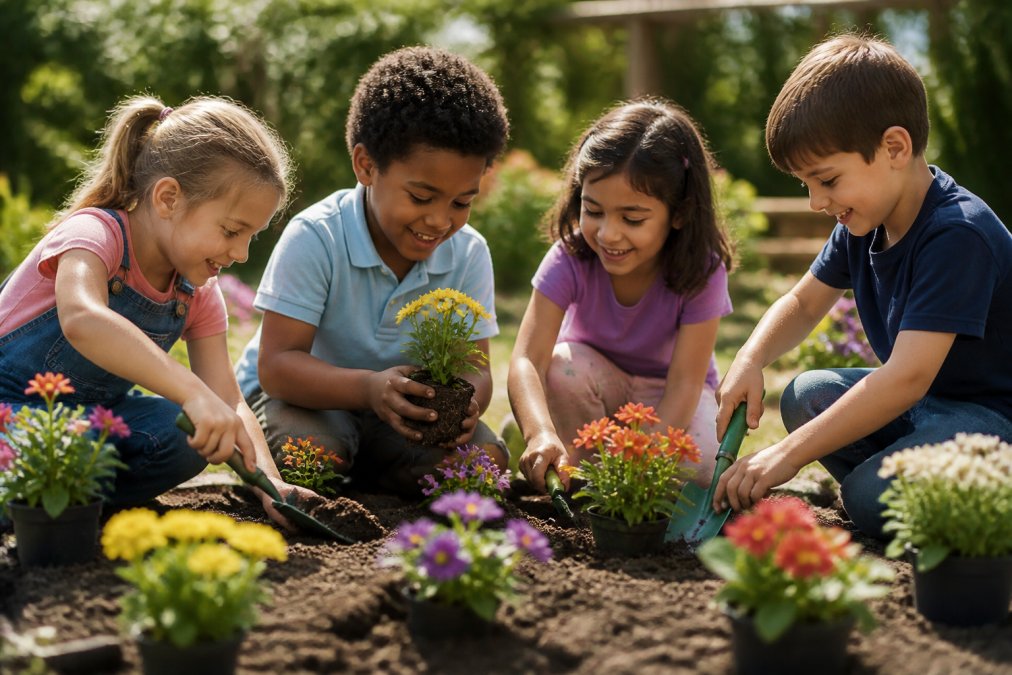
Acts of Service Projects: Young children understand kindness best when they can DO something. Bake cookies for a neighbor, make cards for a nursing home, plant flowers together, or collect items for a food bank. These activities teach children that kindness is action and that their actions matter.
Cooperative Games: Play games where everyone wins or where the goal is to help each other rather than compete. Building block towers together, playing parachute games, or doing group art projects teach cooperation and the joy of working together.
Emotion Coaching: Help your child develop emotional vocabulary. When you see your child experiencing big feelings, name them: "You look frustrated." As children learn to recognize emotions in themselves, they become better at recognizing emotions in others, which is the foundation for empathy.
Gratitude Practice: Each day, ask your child what they're grateful for. This simple practice shifts focus toward appreciation and helps children notice the good in their lives and the people around them.
How to Teach Empathy to a 4 Year Old
Empathy, the ability to understand and share the feelings of others, is the heart of kindness. A 4-year-old is developmentally capable of beginning to understand that other people have feelings and perspectives different from their own (the NIH).
Teaching empathy starts with helping them recognize emotions. Point out feelings in real life: "Look, that child is crying. They might be sad." In stories: "How do you think that character felt?" Help your child connect actions to feelings: "When you shared your toy, your friend looked happy."
Visit & Subscribe on YouTube →
Perspective-taking is key. Ask questions that help your child imagine how someone else might feel: "If someone took your favorite toy, how would that feel?" "What do you think Grandpa likes to do?" These questions help children move beyond their own immediate experience and consider other viewpoints.
Validate your child's own feelings as you teach them to recognize others' feelings. When your child is upset, acknowledge their emotion: "You're really angry right now. That's okay. Let's talk about what happened." This teaches children that feelings are normal and acceptable, which makes them more able to extend that same acceptance to others.
Model empathetic language and behavior consistently. When someone is hurt or upset, respond with care: "Are you okay? How can I help?" Let your child see you noticing when others need help and responding with kindness.
Handling Unkind Behavior and Building Resilience
Even as you're teaching kindness, your preschooler will sometimes be unkind. They'll hit, refuse to share, say mean things, or exclude another child. This is normal. Young children are still learning impulse control, emotional regulation, and perspective-taking. How you respond matters enormously.
When your child behaves unkindly, stay calm. Get down to their eye level, name what happened, and help them understand the impact: "You pushed your friend. That hurt them and made them sad. We use gentle hands." Then help them practice the alternative.
Avoid shaming your child for unkind behavior. Shame teaches children to hide mistakes, not change them. Focus on the behavior and impact: "That wasn't kind" rather than "You're mean." Your child needs to know that their unkind action doesn't make them a bad person; it's a behavior they can change.
Help your child repair the relationship when they've hurt someone. This might mean apologizing, helping fix what was broken, or doing something kind for the person they hurt. Repairing teaches children that mistakes can be fixed and relationships matter.
Building resilience is also important. Children need to learn that not everyone will be kind to them, and that's painful but survivable. When your child experiences unkindness from a peer, validate their feelings and help them problem-solve: "That hurt your feelings. What could you do next time?"
Encouraging Kindness in Digital and Social Spaces
As preschoolers grow and have more exposure to screens, digital kindness becomes relevant. This includes the content they consume and how they interact in digital spaces.
Choose digital content intentionally. The shows, apps, and videos your child watches model behavior and values. Content depicting characters treating each other with respect, solving problems cooperatively, and showing kindness reinforces what you're teaching at home.
When your child watches content with you, talk about what you're seeing: "Did you notice how those characters helped each other?" This turns passive viewing into an opportunity for learning and connection.
As your child gets older and engages with digital platforms, teach digital kindness explicitly. This means being kind in online spaces, not sending mean messages, thinking before sharing something about someone else, and understanding that words online can hurt just as much as words in person. Model this behavior yourself.
Teach your child about digital citizenship and online safety, which includes being kind and respectful in digital spaces. As they grow, this becomes increasingly important, but the foundation starts with the values you're teaching now.
Conclusion
Teaching kindness in preschoolers is an ongoing practice, not a destination. It happens through the books you read, the activities you do, the example you set, and the conversations you have every day. Some days, your child will be kind and generous. Other days, they'll be unkind and selfish. Both are part of learning.
Kindness is a skill that can be developed and strengthened with practice. When you consistently model kindness, provide opportunities to practice it, read stories that celebrate it, and respond thoughtfully to unkind behavior, you're building the foundation for a child who understands that kindness matters.
At Smokey D Baby Dogga, we create stories that celebrate friendship, kindness, and adventure. Our books feature characters like Smokey and her friends showing what it looks like to care for others and work together. When you read these stories with your child, you're giving them characters to admire and behaviors to imitate. Explore our collection of kindness-focused books and merchandise that celebrates these values, including the Smokey D Baby Dogga Awaits the Mail Lady Ronnie Canvas Tote Bag, a perfect way to carry kindness with you and share these important stories with the children in your life. Visit our YouTube channel to preview our stories and see how Smokey's adventures can inspire kindness in your home.

Frequently Asked Questions
What are some simple ways to teach kindness to a 3-year-old?
Start with concrete, observable actions: help them give a toy to a sibling, pet an animal gently, or wave goodbye to a neighbor. Use simple language like 'being kind means being gentle and helping others feel happy.' Praise specific kind behaviors immediately. Read stories about kindness together. Keep expectations age-appropriate, preschoolers are still developing social-emotional learning skills and learn best through repetition and modeling.
How can books help teach kindness to kids?
Stories make kindness relatable and memorable. Characters facing kindness choices show children what compassion looks like in action. Books like those in the Smokey D Baby Dogga series feature friendship and acts of service that spark conversations about caring for others. After reading, ask 'How did that character show kindness?' to build perspective-taking skills. Stories also normalize talking about emotions and create a safe space to discuss prosocial behavior.
How do I encourage kindness when my child is being mean or unkind?
Stay calm and focus on the behavior, not the child. Say 'I see you hit your friend. That hurt them. Let's help them feel better.' Guide them to apologize and make amends, this teaches accountability and emotional regulation. Understand that unkind behavior is normal at this age; preschoolers are still learning social skills and impulse control. Use it as a teaching moment to label emotions: 'You were frustrated, and that's okay, but hitting isn't how we show it.'
Can kindness activities work for both my 3-year-old and 7-year-old?
Yes, with adjustments. Simple activities like helping, sharing, and acts of service work across ages. Modify complexity: a 3-year-old helps sort toys for donation while a 7-year-old writes thank-you notes. Stories also scale, picture books appeal to younger children while chapter books engage older kids. The Smokey D Baby Dogga series spans multiple ages, letting siblings enjoy the same characters at their own level, reinforcing kindness messages across the family.
This article was written using GrandRanker