
Wholesome Children's Books: A Parent's 2026 Guide
Table of Contents
- What Makes a Children's Book Wholesome?
- How to Choose Books for Children by Age and Stage
- Best Books for 5 Year Olds: Picture Books That Spark Imagination
- Children's Books About Kindness and Friendship
- Wholesome Chapter Books for Early Readers
- Inclusive and Neurodivergent-Friendly Reading Picks
- Building a Summer Reading List the Whole Family Enjoys
- Frequently Asked Questions
Last Updated: September 30, 2026
What Makes a Children's Book Wholesome?
Wholesome children's books leave a child feeling safe, curious, and a little kinder than before they opened one. Wholesome children's books aren't just books without scary parts or rude words, their values match the ones you're building at home.
This guide from Smokey D Baby Dogga covers how to spot those books fast, match them to your child's age, and build a reading list that holds up night after night. With over 41 years of experience, we've watched plenty of books earn a permanent spot on the bedside table and plenty get abandoned by page four.

The Four Pillars of a Wholesome Story
When evaluating a book, consider these four quick checks:
- Character development: Do the characters grow, learn, or change by the last page?
- Moral values: Is the lesson shown through the story rather than lectured at the reader?
- Age-appropriate content: Are the conflicts, vocabulary, and themes matched to the child?
- Literary merit: Does the writing have rhythm, warmth, and actual craft?
How to Choose Books for Children by Age and Stage
The biggest mistake parents make is buying for the age on the cover instead of the reader in front of them. A book's stated age range is a suggestion, not a rule.
The American Library Association's guide to children's reading notes that children develop reading skills at widely different rates, so the best approach is to match the book to attention span and comprehension rather than a number. A practical shortcut most children's librarians use is the "five-finger test": have your child read a page aloud and hold up one finger per unknown word. Zero to one fingers means the book is independent-reading level; two to three means it's a good read-together book; four or more means save it for later.
Here's a quick way to sort it:
| Age | Reading Stage | What Works Best | Typical Session |
|---|---|---|---|
| 3-5 | Being read to | Picture books, bedtime stories | 5-15 minutes |
| 6-8 | Early independent reading | Chapter books, simple series | 15-30 minutes |
| 8+ | Fluent reading | Longer chapter books, series | 30+ minutes |
Ages 3-5: Attention Spans and Bedtime Stories
For this group, the picture book is king. Look for large illustrations, short sentences, and a warm resolution, bedtime stories work best when the ending is calm rather than exciting.
A common mistake is choosing a book that's too long for the attention span. If your child is squirming by page three, the book is the problem, not the child. A reliable rule of thumb is roughly one minute of attention per year of age.
Titles that consistently earn repeat reads at this stage include The Snowy Day by Ezra Jack Keats, Blueberries for Sal by Robert McCloskey, Caps for Sale by Esphyr Slobodkina, and The Little House by Virginia Lee Burton.
Ages 6-8: Independent Reading and Chapter Books
This is where chapter books take over. Early readers want a protagonist they can root for and chapters short enough to finish in one sitting. Series work especially well because the characters are already familiar.
Ages 8+: Fluent Readers and Longer Series
Once a child reads comfortably, the goal shifts from decoding to stamina. Look for series with recurring characters and richer vocabulary rather than longer page counts. Beverly Cleary's Ramona books, The Penderwicks by Jeanne Birdsall, and Because of Winn-Dixie by Kate DiCamillo stretch a reader's empathy without stretching their patience.
Matching Books to Neurodivergent Readers
Most age-and-stage guides assume a neurotypical reader. For children with ADHD, autism, or sensory-processing differences, the useful criteria are different: predictable chapter length, low sensory load in the illustrations, clear cause-and-effect plots, and characters whose differences are part of the story rather than a problem to fix.
Bringing in Diverse and Global Perspectives
A reading list that only shows one kind of family, neighborhood, and problem quietly teaches a child that stories belong to a narrow slice of the world. Widening the shelf is one of the easiest upgrades a parent can make.
Best Books for 5 Year Olds: Picture Books That Spark Imagination
The best books for 5 year olds combine simple language with illustrations rich enough to reward a second and third look. At this age, imagination is the engine, so the ideal story leaves room for your child to wonder what happens next.
Look for these qualities when you're browsing:
- Repetitive, rhythmic text your child can start predicting and "reading" along with
- Illustrations with hidden details to hunt for on repeat reads
- A clear emotional arc from a small problem to a satisfying resolution
- Characters who model kindness without announcing it
Children's Books About Kindness and Friendship
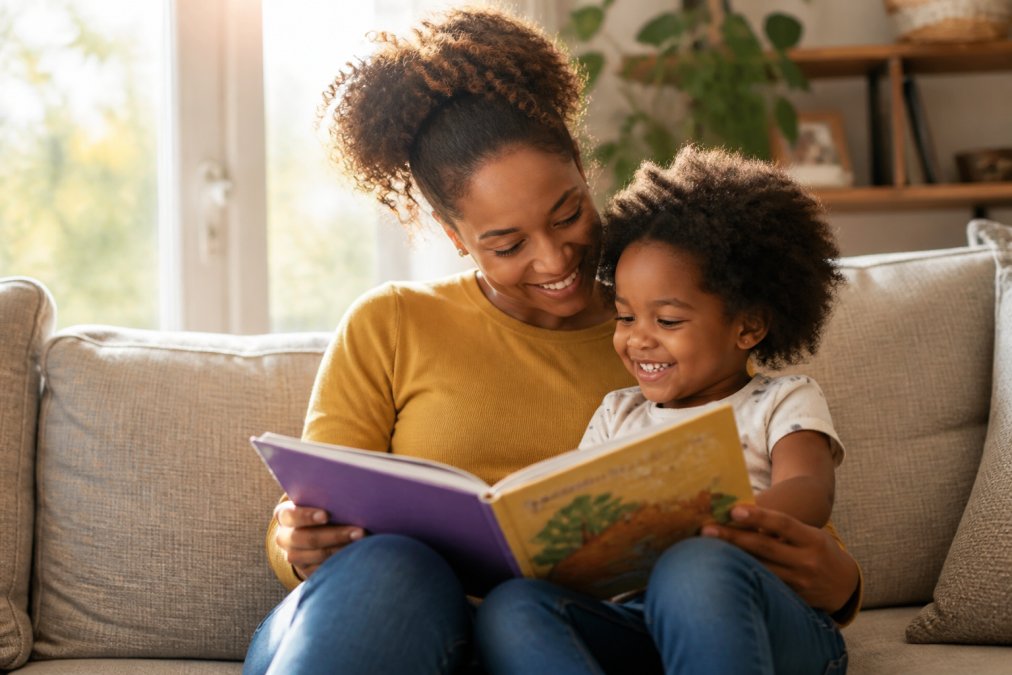
Children's books about kindness and friendship work best when they show empathy in action rather than stating it as a rule. A character who shares a snack because a friend looks sad teaches more than a page that says "sharing is good." This subtle approach to character development remains equally vital as children grow older and begin exploring more complex social dynamics through engaging books for teens.
Smokey D Baby Dogga Coloring Book – 24 →
Stories That Build Empathy and Moral Values
The research on reading and empathy is encouraging. According to research on reading and social-emotional learning, reading fiction is linked to stronger social-emotional skills in young children, which is exactly the ground kindness-focused stories are built on.
An Interactive Reading Guide: Questions and Activities
Most book lists stop at the title. What turns a story into a values conversation is the five minutes after you close the cover. Here's a repeatable structure for almost any kindness-themed picture book.
Before reading (1 minute):
- Ask, "What do you think this book might be about?" Let your child guess from the cover.
- Point to one character and ask, "How do you think they're feeling right now?"
During reading (pause twice):
- At the first moment a character looks sad or left out, pause and ask, "What would you do if you were there?"
- At the turning point, ask, "Why do you think they changed their mind?"
After reading (3-5 minutes):
- "How do you think [character] felt when that happened?"
- "Has anything like that ever happened to you or a friend?"
- "What's one small kind thing we could do tomorrow?"
Extension activities that pair well with the story:
- Draw a picture of the character doing one kind thing after the book ends.
- Write (or dictate) a one-sentence "thank you" note to someone who was kind this week.
- Act out the turning-point scene with stuffed animals, swapping roles so your child plays the character who needed help.
Building a Kindness Shelf Over Time
One book won't build empathy any more than one vegetable builds a diet. The pattern that works is variety: rotate stories about sharing, standing up for someone, apologizing, and accepting help.
Wholesome Chapter Books for Early Readers
Wholesome chapter books for early readers share a few traits: short chapters, a clear plot, and a protagonist whose choices you'd be happy for your child to copy. Adventure and mystery series work well because each chapter ends on a small hook.
Inclusive and Neurodivergent-Friendly Reading Picks
Neurodivergent-friendly reading picks share a few practical features: predictable structure, clear language, and characters whose differences are part of the story rather than a problem to fix. Books with strong visual elements and familiar recurring characters often hold attention longer, especially for kids who struggle to sit still.
A simple approach that works well:
- Choose books with a repeating structure your child can anticipate
- Look for illustrations that carry part of the story
- Pick series over standalones so characters stay familiar
- Read the first chapter together before handing the book over
- Let your child pick from two or three pre-screened options
Building a Summer Reading List the Whole Family Enjoys
A summer reading list works best built around shared time, not a checklist. The goal is a stack of books the whole family looks forward to, not a race to finish a certain number.
Frequently Asked Questions
What defines a wholesome book for children?
A wholesome children's book centers on positive themes like kindness, friendship, courage, and empathy without relying on crude humor or scary content. Look for characters who model good choices, storylines that resolve conflicts peacefully, and language that respects your child's intelligence. Age-appropriate vocabulary and engaging illustrations matter too, since they keep young readers connected to the narrative and its moral values.
How do I choose age-appropriate books for my child?
Match the book's format to your child's reading stage. For ages 3-5, pick picture books with short sentences and large illustrations. For ages 6-8, chapter books with simple plots and relatable protagonists work well. Flip through a few pages first: if your child can follow the story without frustration but still meets new words, the reading level fits. Also check that themes align with your family's values.
Are there classic children's books that focus on positive values?
Yes, many literary classics emphasize virtue-based storytelling. Titles like Charlotte's Web and The Velveteen Rabbit explore friendship, loyalty, and loss in gentle ways. These books have endured because their character development feels genuine and their themes stay relevant across generations. Pairing a classic with a modern series gives children both literary merit and fresh adventures they can look forward to.
What are the benefits of reading wholesome stories to children?
Reading wholesome stories aloud supports literacy, reading comprehension, and emotional growth. Children who hear kindness-focused narratives regularly show stronger empathy and better conflict resolution skills. Bedtime stories also build vocabulary and create a calming routine. Beyond academics, shared reading strengthens the parent-child bond and gives families a natural way to discuss moral values and real-life situations together.